The NOVA classification system groups foods based on how much they have been processed. It focuses on how the food is made and which ingredients are added during processing, rather than on nutritional content.
The Four NOVA Groups
NOVA divides foods into four groups:
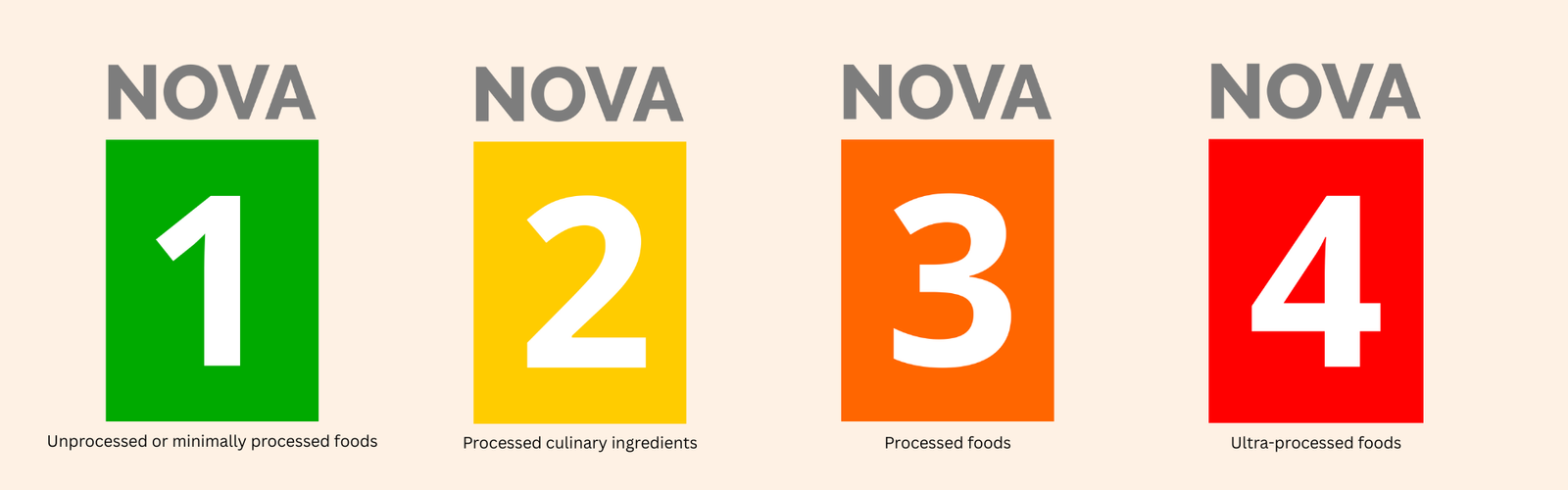
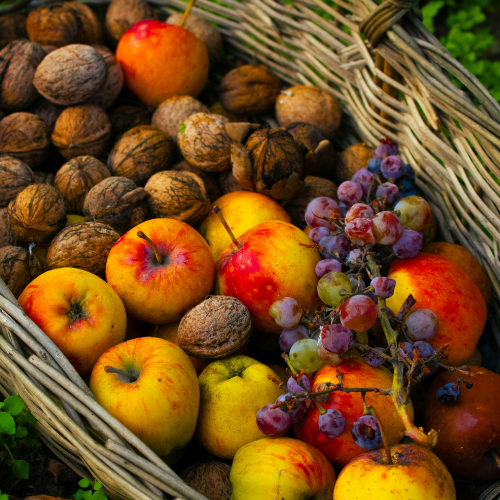
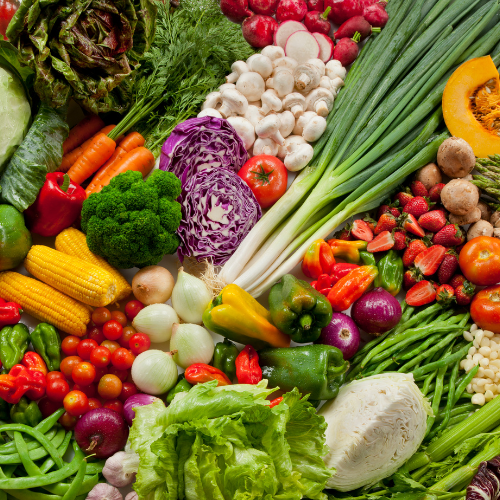
The first group is unprocessed or minimally processed foods. These are foods that are close to their natural state or only lightly changed. Examples: fresh fruit, vegetables, plain rice, milk, and eggs.
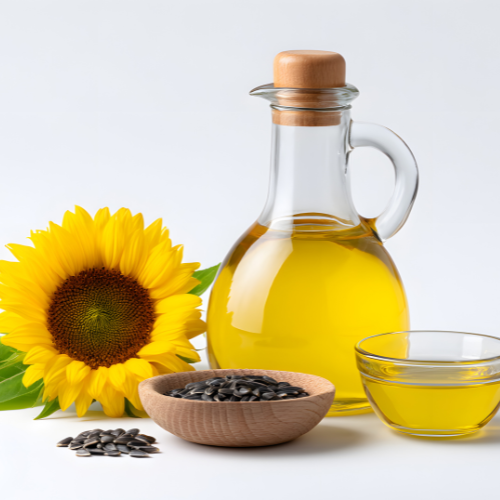
The second group is processed culinary ingredients. Examples: sugar, oil, butter, and salt. They are usually added to other foods for cooking or flavoring.
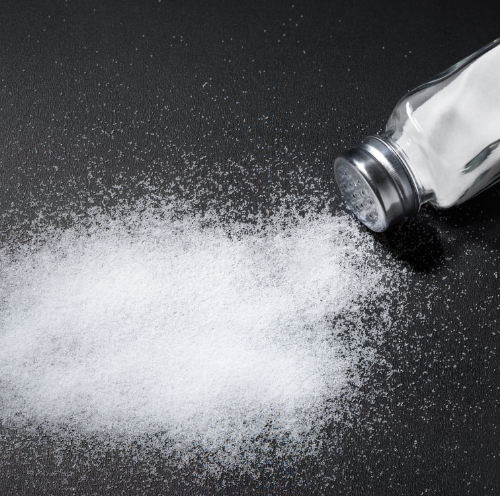
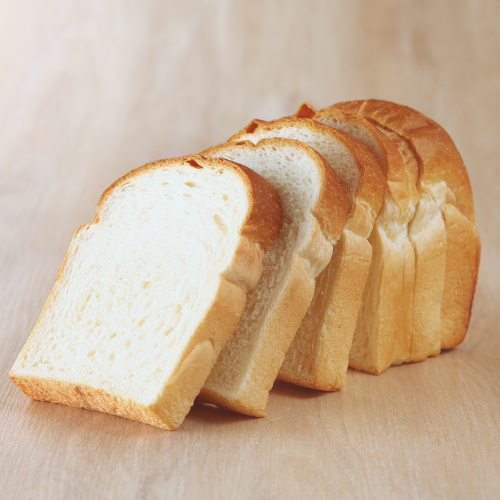
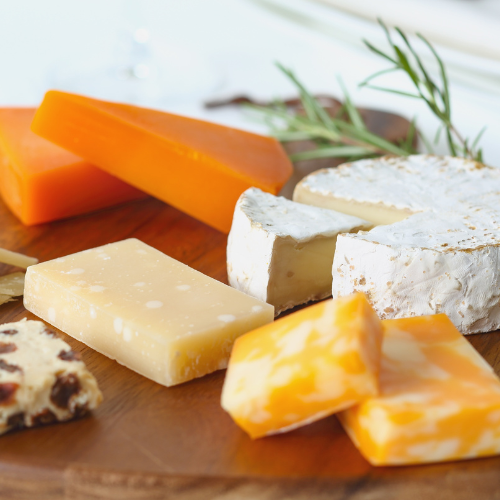
The third group is processed foods. These are foods made by adding salt, sugar, or oil to natural foods. Examples: canned vegetables, cheese, smoked meats, and bread.
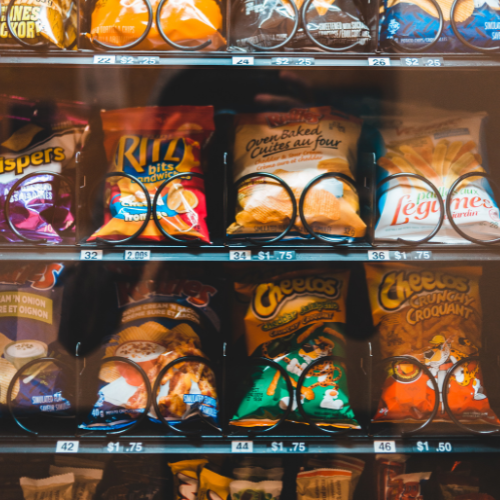
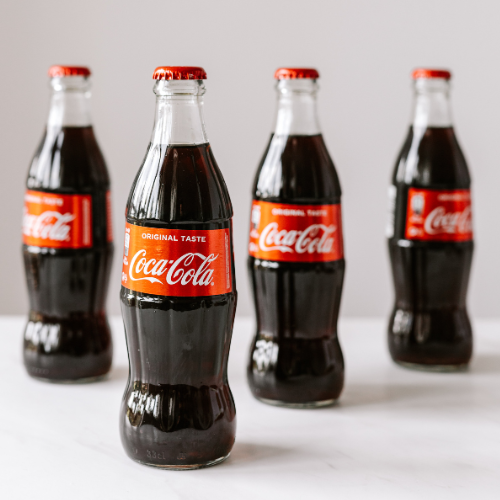
The fourth group is ultra-processed foods. These are made with industrial ingredients you wouldn’t usually use at home, like preservatives, colorings, or flavorings. Examples: soft drinks, packaged snacks, instant noodles, and sweetened cereals.
How to Use NOVA
You can use NOVA to get an idea of how processed the foods you eat are. It can help you notice which foods are mostly natural and which are heavily processed. It can also help when comparing similar foods, like fresh fruit versus fruit-flavored snacks, or homemade bread versus packaged bread.
Why NOVA alone Isn’t a Complete Indicator of Health
The NOVA classification uses colors to represent different food groups. For example the unprocessed foods group is green, while the ultra-processed foods group is red. This can create the impression that one category is better than the other. In reality, NOVA only categorizes foods based on how they are processed, not their nutritional value like Nutri-Score does.
For example:
- Olive oil is classified as a “processed culinary ingredient,” even though it is widely recognized as a healthy fat and associated with longevity (Harvard Health Publishing – Olive Oil Study).
- Plain yogurt is labeled as a “processed food,” even when it contains just milk and live cultures (Harvard Nutrition Source – Yogurt).
In addition, some ultra-processed foods may include added vitamins or minerals, but NOVA still classifies them according to how they are made, not their nutrient content (Harvard Nutrition Source – Processed Foods).
Because of this, NOVA should not be relied on alone to determine whether a food is healthy or unhealthy.
Why Unprocessed and Minimally Processed Foods Are still Generally Preferable
NOVA does not measure how healthy a food is, but unprocessed and minimally processed foods are generally linked to better health. These foods usually retain their natural structure, meaning they contain more fiber, protein, and naturally occurring nutrients than more processed foods, while also having fewer added sugars, refined starches, and industrial additives. Fiber and protein help increase satiety, which can make it easier to regulate appetite and calorie intake (Harvard Health Publishing – processed foods into perspective).
On the contrary, ultra-processed foods are designed for convenience and taste. They often contain refined starches, added sugars, fats, and flavoring agents, while having less intact fiber and protein. These changes alter the food’s structure, making it softer, quicker to eat and easier to overconsume. Because fiber and protein play a key role in satiety, their lower presence can make it harder to regulate calorie intake, even when portion sizes look similar (Mayo Clinic – Ultraprocessed foods and processed foods).
Checking NOVA in Foods on Your Own
If you want to check which NOVA group a specific food product falls under you can use the free OpenFoodFacts app to scan a packaged food product and instantly receive the NOVA group.
Last Updated: January 16, 2026 by NutriLookup